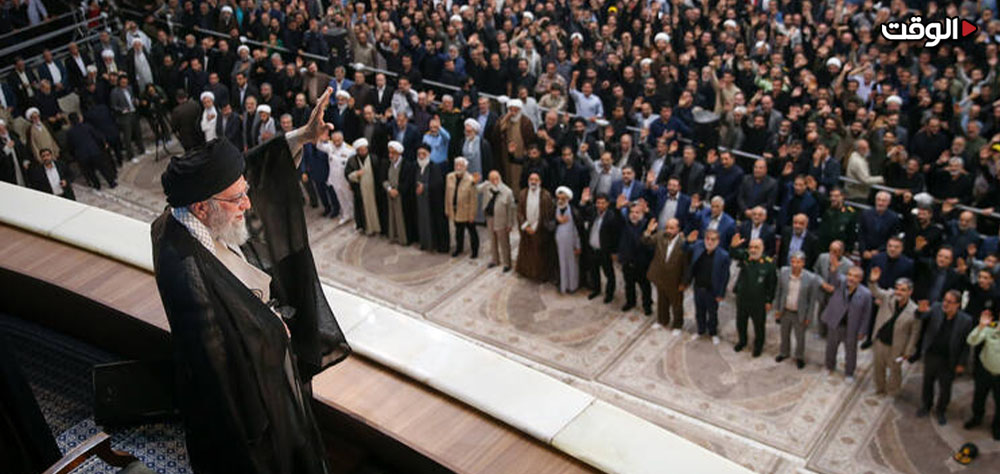
- Global Media Attention on Iranian Leader’s New Statements amid New Talks with the US
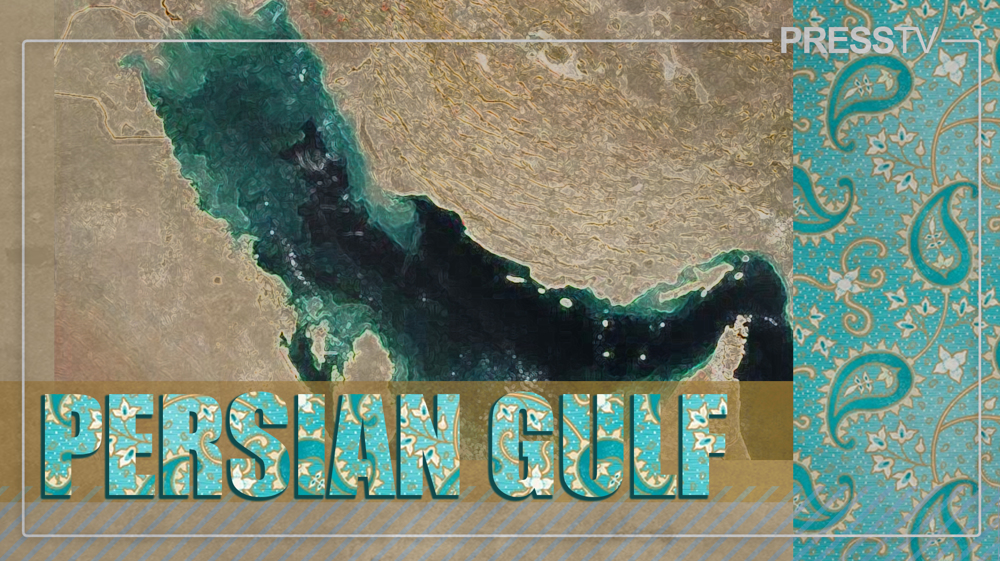
- IRGC Navy’s Strait of Hormuz Drills Tells US Who’s the Boss in Persian Gulf
- Leader Warns Warships Could Be Sunk in Response to Trump’s Threats
- IRGC Naval Forces Ready to Block Strait of Hormuz Upon Orders: Commander
- President Pezeshkian Extends National Day Congratulations to Japan
- IRGC Continues Military Drills in The Strait of Hormuz for A Second Day
- Iran’s FM Says Indirect Talks with US Show Solid Progress, Path Forward Now Clear
- How Do Americans Look at a Potential War against Iran?
- Amid Trump’s Pressures, Al-Maliki’s Candidacy Remains Shrouded in Uncertainty
- Hamas Flags ‘Dangerous Precedent’ As Israel Increases Control Over al-Quds
Editor's Choice
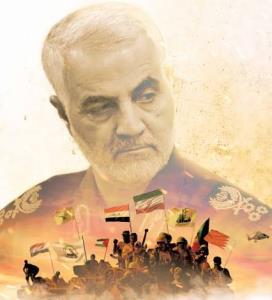
Gen. Solemani, A Living Resistance Legacy General Solemani of Iran caused a transformation to the region that blocked the way of the Israeli and American projects in West Asia.
A Review of Newly Published US National Security Document The US national security document may be an unwanted admission that the US hegemony is diminishing.
US or Venezuela? Who’s the True Oil Thief? Trump says Venezuelan nationalization of its oil was theft of American oil companies’ assets, justifying oil blockade on South American nation.
Why Are Tel Aviv and Washington Stepping Up Pressures against Hezbollah? Israel knows that disarming Hezbollah makes occupation of Lebanon a piece of cake.
Is Yemen on the Verge of Split? The country is sinking in chaos as conflicting forces in the south are going separate ways and Yemenis are less involved in the fate of the south.
News
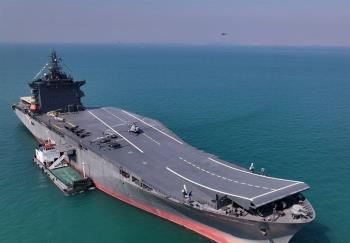
IRGC Navy’s Strait of Hormuz Drills Tells US Who’s the Boss in Persian Gulf
The IRGC launched "Smart control" drills, suggesting that in case of crisis Tehran can effectively manage its and allies" interests.Leader Warns Warships Could Be Sunk in Response to Trump’s Threats The Leader of the Islamic Revolution said Iran’s weapons that can target American carriers are “more dangerous” than the ships
IRGC Naval Forces Ready to Block Strait of Hormuz Upon Orders: Commander Rear Admiral Tangsiri, commander of Iran’s IRGC Navy, stated that Iran is ready to close the Strait of Hormuz whenever ordered by senior officials
President Pezeshkian Extends National Day Congratulations to Japan Iranian President Masoud Pezeshkian has extended his congratulations to Japanese Prime Minister Sanae Takaichi on Japan’s National Day
IRGC Continues Military Drills in The Strait of Hormuz for A Second Day The Islamic Revolutionary Guard Corps (IRGC) is continuing naval drills in the Strait of Hormuz for a second day
Iran’s FM Says Indirect Talks with US Show Solid Progress, Path Forward Now Clear Latest round of sanctions-relief talks with the United States ended with agreement on a framework of guiding principles for future negotiations
How Do Americans Look at a Potential War against Iran? The American citizens, as well as political observers and even military officials, question Trump’s main aim behind waging a war against Iran.
Hamas Flags ‘Dangerous Precedent’ As Israel Increases Control Over al-Quds Hamas criticizes Israel’s expansion of al-Quds municipal boundaries beyond the Green Line
PMF, Iraqi Military Launch Coordinated Strike on ISIS Remnants Iraq’s PMF, alongside the army, launches a major operation in the Nineveh desert targeting ISIS remnants
Iran Pursues Talks, Rejects Threats: Security Chief Iran’s security chief says Tehran is pursuing negotiations while maintaining deterrence against any act of aggression
Geneva Hosts Iran–IAEA Talks Ahead of Indirect Negotiations with Washington Iranian Foreign Minister Abbas Araghchi met with International Atomic Energy Agency Director General Rafael Grossi in Geneva, Switzerland
Araghchi Arrives in Geneva for Diplomatic Talks Iran’s Foreign Minister Seyyed Abbas Araghchi arrived in Geneva late Sunday to lead diplomatic and technical consultations
Baghaei: Sanctions on Iranians Are a Crime Against Humanity Imposing economic pressure and causing hardship to the Iranian people constitutes a crime against humanity
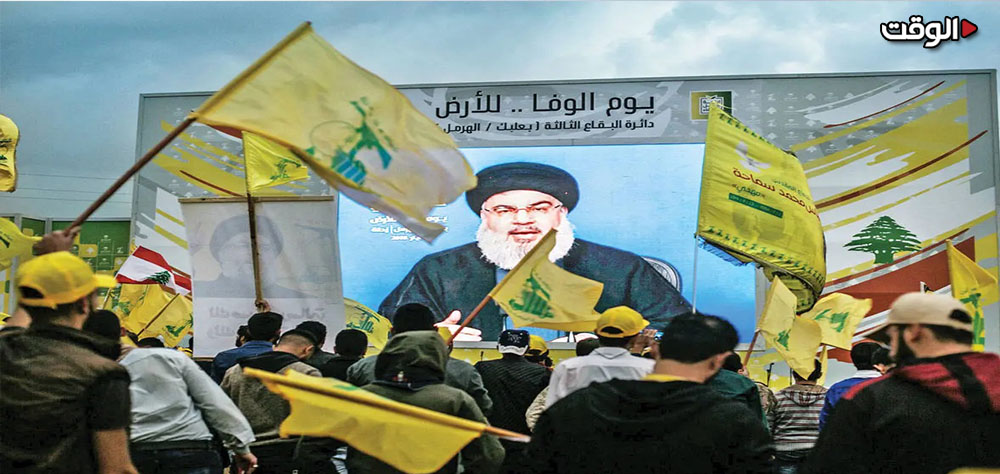
Hezbollah Leader Says Iran Has Consistently Backed Palestine and Oppressed People Worldwide The Islamic Republic of Iran has been a steadfast supporter of Palestine and defenders of the oppressed worldwide
A New War Would Have Traumatic Effects on All Sides Another war against Iran by the United States would be highly traumatic and harmful for all
Israel Kills Nine Palestinians on the 128th Day of The Gaza Ceasefire On the 128th day of the Gaza ceasefire, Israeli occupation forces continued violations
How Pelosi Unmasked the Ineffectiveness of Sanctions on Iran Recent statements by Nancy Pelosi suggest that long-standing US sanctions have not reshaped Iran’s political structure
Azerbaijan: Peace Deal Possible After Armenian Constitutional Changes Azerbaijani President Ilham Aliyev said a peace treaty with Armenia could be signed “immediately” if Yerevan changes its constitution
At Iran Corridor Summit, Pezeshkian Praises Regional Collaboration Iranian President Masoud Pezeshkian commended regional leaders for working to enhance security and sovereignty
Pelosi Argues Sanctions Should Pressure Iranian People Former US House Speaker Nancy Pelosi called for tougher US sanctions on Iran at the Munich Security Conference
Most Viewed
Iran’s FM Says Indirect Talks with US Show Solid Progress, Path Forward Now Clear
Leader Warns Warships Could Be Sunk in Response to Trump’s Threats
Global Media Attention on Iranian Leader’s New Statements amid New Talks with the US
IRGC Continues Military Drills in The Strait of Hormuz for A Second Day
IRGC Naval Forces Ready to Block Strait of Hormuz Upon Orders: Commander
President Pezeshkian Extends National Day Congratulations to Japan
IRGC Navy’s Strait of Hormuz Drills Tells US Who’s the Boss in Persian Gulf
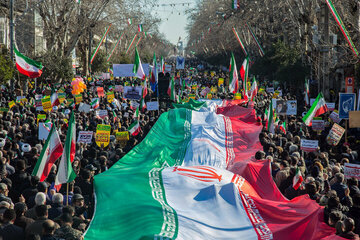
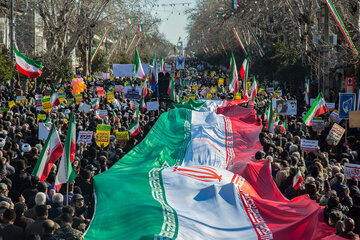
Millions Take to The Streets Across Iran to Celebrate The 47th Anniversary of The Islamic Revolution
How Pelosi Unmasked the Ineffectiveness of Sanctions on Iran
Europe Weighing Up Moves for Post-American World Order
New Israeli Law Accelerating West Bank Annexation
Iran Pursues Talks, Rejects Threats: Security Chief
At Iran Corridor Summit, Pezeshkian Praises Regional Collaboration
As Western-dominated Order Erodes, Many Question MSC Influence
Araghchi Arrives in Geneva for Diplomatic Talks
Netanyahu Returns Home from Washington Empty Handed
UN Warns of Shocking Paramilitary War Crimes In El Fasher
Israel Kills Nine Palestinians on the 128th Day of The Gaza Ceasefire
Is Horn of Africa Becoming New Flashpoint after New Rivaling Agreements?
Hezbollah Leader Says Iran Has Consistently Backed Palestine and Oppressed People Worldwide
Pelosi Argues Sanctions Should Pressure Iranian People
PMF, Iraqi Military Launch Coordinated Strike on ISIS Remnants
Critics of Foreign Interference in Iran Unite Under the Group of Friends Defending the UN Charter
Mossad Actively Interfering in Iran’s Recent Events
What’s behind US Military Relocation from Ain Al-Assad to Al-Harir?
Ambassador Brands Call for UNHRC Session On Iran as Unconstructive
Iran Condemns Argentina’s Action Against the Islamic Revolutionary Guard Corps
Psychological Warfare Employed by Enemy Following Failed Riot Attempts
ISIS Prisoners Break Free: Conflicting Goals of Kurds and Al-Jolani Govt.
Al-Maliki’s Comeback to Iraq’s PM Post
Lebanese Cleric: Harm To Ayatollah Khamenei Equals to War on Shias
With ISIS Inmates Breaking Free, Security Threats Are Back to Iraq
Iran Ready, Aggression Costly for Enemy
What Does Trump Want From Cuba?
US Has no Serious Iranian Opposition Forces, Military Action Unlikely: Expert
Iranian Officials Claim US Aggression Towards Iran More Brutal Than Previous Wars in Iraq and Syria
What Does Trump’s “Board of Peace” Eye for Gaza?
In Focus
Ansarullah
A Zaidi Shiite movement operating in Yemen. It seeks to establish a democratic government in Yemen.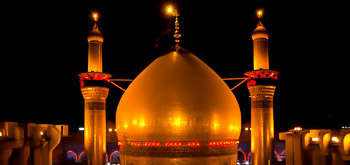
Shiite
represents the second largest denomination of Islam. Shiites believe Ali (peace be upon him) to be prophet"s successor in the Caliphate.
Resistance
Axis of Resistances refers to countries and movements with common political goal, i.e., resisting against Zionist regime, America and other western powers. Iran, Syria, Hezbollah in Lebanon, and Hamas in Palestine are considered as the Axis of Resistance.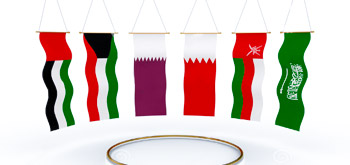
Persian Gulf Cooperation Council
A regional political u n i o n consisting of Arab states of the Persian Gulf, except for Iraq.
Taliban
Taliban is a Sunni fundamentalist movement in Afghanistan. It was founded by Mohammed Omar in 1994.
Wahhabism & Extremism
Wahhabism is an extremist pseudo-Sunni movement, which labels non-Wahhabi Muslims as apostates thus paving the way for their bloodshed.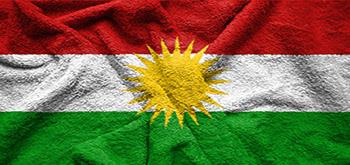
Kurds
Kurds are an ethnic group in the Middle East, mostly inhabiting a region, which spans adjacent parts of Iran, Iraq, Syria, and Turkey. They are an Iranian people and speak the Kurdish languages, which form a subgroup of the Northwestern Iranian branch of Iranian languages.
NATO
The North Atlantic Treaty Organization is an intergovernmental military alliance based on the North Atlantic Treaty which was signed on 4 April 1949.
Islamic Awakening
Refers to a revival of the Islam throughout the world, that began in 1979 by Iranian Revolution that established an Islamic republic.
Al-Qaeda
A militant Sunni organization founded by Osama bin Laden at some point between 1988 and 1989
New node

Report
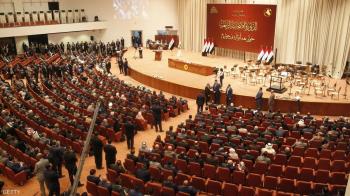
Iraq’s Election Atmosphere Overshadowed by Massive Candidate Disqualifications
Wednesday 10 September 2025
Saddam Hussein before the US invasion of the country in 2003. In many instances, even open investigations or unproven allegations have been deemed sufficient for exclusion.
The current number of disqualifications has surpassed the record set in the 2010 election, where nearly 499 candidates were ba ...

Analysis
Blair, a War Criminal Named for Trump’s Gaza Administration
Thursday 2 October 2025
،
Saddam Hussein’s Iraq. A year later, under his leadership, Britain joined NATO airstrikes against Yugoslavia. In 2000, he deployed troops to intervene in Sierra Leone’s civil war, and in 2001, after the September 11 attacks, backed American’s invasion of Afghanistan.
A tarnished p ...
Analysis
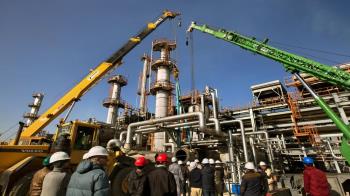
Baghdad-Erbil Oil Exports Deal: From Home to Regional and International Geopolitical Impacts
Sunday 5 October 2025
،
Saddam Hussein's regime in 2003, Erbil began building its own energy infrastructure and started connecting oilfields to the Ceyhan pipeline via new links it constructed. This move allowed the semi-autonomous region to export oil largely independent of Baghdad.
This approach by the Kurds stirred ...
News
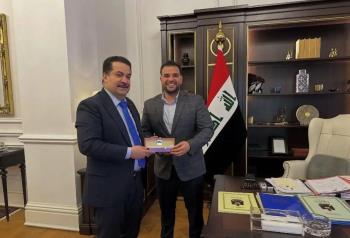
Shadow Man: What’s behind US Envoy’s Activism in Iraq?
Monday 10 November 2025
،
Saddam Hussein’s Baath regime, Sunnis enjoyed a privileged position, and many tribal leaders continue to blame Washington for their community’s current situation. Against this backdrop, Sawaya’s mission in Iraq is to rebuild Sunni trust and align them with US policies, a strategy a ...
Analysis
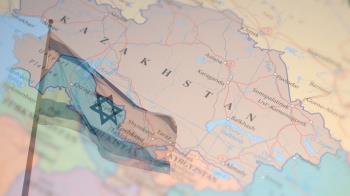
Israel’s Creeping Influence in Central Asia a Threat to Iran’s Security Interests
Wednesday 12 November 2025
،
Saddam Hussein during the 1991 Persian Gulf War, Israel's past failures in engaging the Muslim world, and a general unfamiliarity with the region.
However, over time, these assumptions shifted. The primary catalyst for Israel's strategic reassessment was its confrontation with the Resistanc ...
Paper
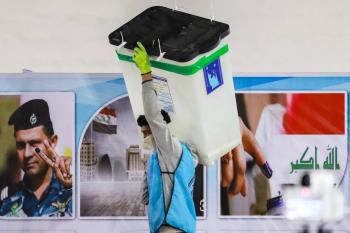
What Does High Iraq Election Turnout Mean?
Wednesday 12 November 2025
،
Saddam Hussein, reflecting a decline in public trust in the political system and growing popular disillusionment with the effectiveness of successive governments.
Accordingly, this report will examine the main reasons for the increased participation, its political and social consequences, including ...
Report
Iraq Resistance Gained further Weight, US Failed Despite $2b Spending in Vote: Expert
Tuesday 18 November 2025
،
Saddam Hussein fell in 2003. These elections saw a rise in turnout rate after rounds of downward trend. The increase was reported 15 percent compared to the last election and it is expected that Iraqi election situation will influence the elections in other regional countries, and actually this incr ...
Analysis
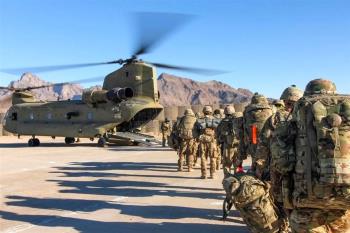
What’s behind US Military Relocation from Ain Al-Assad to Al-Harir?
Tuesday 20 January 2026
،
Saddam Hussein’s rule in a desert region 160 kilometers west of Baghdad, the base was part of a five-base plan initiated in 1975 as a lesson learned from the Arab-Israeli conflict. Built by Yugoslavian state companies between 1981 and 1990 at a cost of $280 million, it was initially named al-Q ...
Report
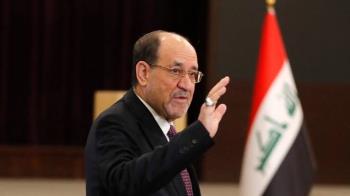
Al-Maliki’s Comeback to Iraq’s PM Post
Sunday 25 January 2026
،
Saddam Hussein's regime in the early 1970s. After fleeing to Syria due from a death sentence, he moved to Iran in 1982, driven by ideological differences within the Syrian ruling part party, and subsequently returned to Syria. He also frequently traveled to Kurdistan to participate in opposition ...
News
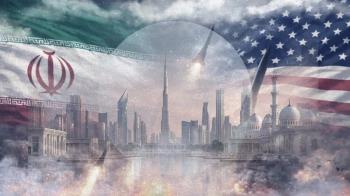
How Do Americans Look at a Potential War against Iran?
Tuesday 17 February 2026
،
Saddam Hussein’s Iraq in 2003, a poll conducted by Gallup suggested that 72 percent of the Americans backed the military campaign against Baghdad, but now if Trump wants to wage a war against Iran, he has a support rate far below that level. Reposts say that Trump does not even have half of it ...